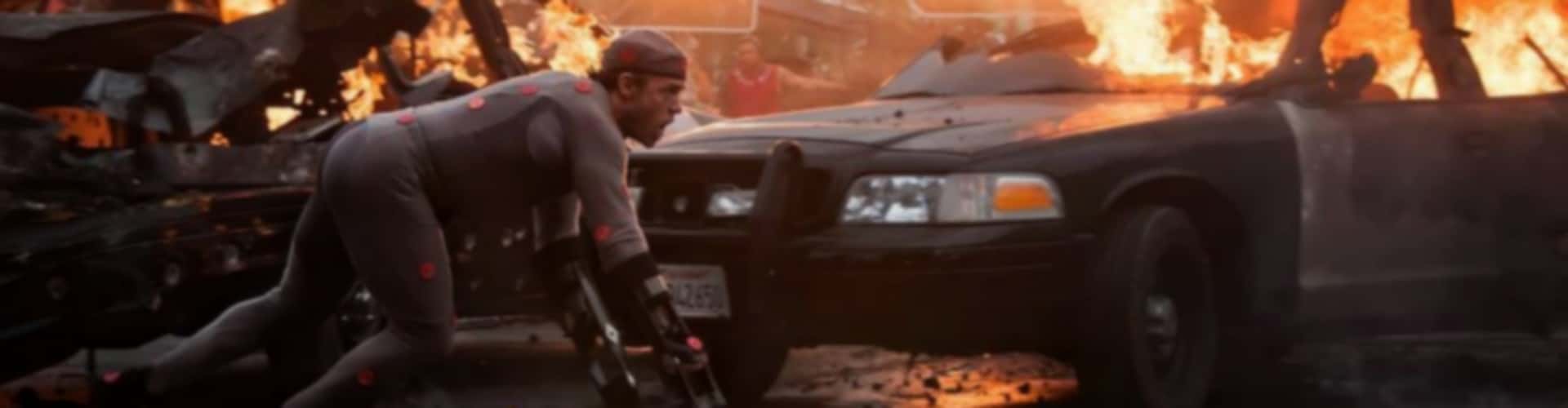
Terry Notary's Mocap Workshop: Mastering Character & Movement
In the rapidly evolving landscape of digital entertainment, the art of bringing computer-generated characters to life has shifted dramatically. Gone are the days when animators solely controlled every nuanced expression; today, it's the raw, authentic performance of actors that breathes soul into virtual beings. At the forefront of this revolution is the specialized field of motion capture (mocap), and few names resonate with as much authority and artistry as Terry Notary. Renowned for his unparalleled ability to embody complex, non-human characters, Notary has consistently pushed the boundaries of what's possible in performance capture. His exclusive motion capture acting workshop, "Character and Movement," offered a rare opportunity for both seasoned directors and aspiring actors to delve into the intricate demands of this unique craft.
Hosted at Animatrik Film Design's state-of-the-art facility in Vancouver – home to North America's largest independent motion capture stage – the workshop provided an immersive experience. Participants learned directly from Notary, gaining invaluable insights into transforming human physicality and emotion into compelling digital performances. This isn't just about wearing a suit; it's about a profound understanding of movement, character, and imagination, all within the often-abstract environment of a mocap volume. As the demand for realistic animation in film, video games, and even specialized training grows, mastering the nuances of a motion capture acting workshop becomes an indispensable step for those looking to excel in this dynamic industry.
The Visionary Behind the Movement: Terry Notary's Expertise
Terry Notary is more than just an actor; he is a celebrated movement coach, stunt coordinator, and a true pioneer in the world of performance capture. His name is synonymous with some of the most iconic CG characters in modern cinema, particularly his groundbreaking work embodying apes in films like the Planet of the Apes reboot series, Kong: Skull Island, and even creatures in Avatar and The Hobbit. Notary possesses a unique gift for translating intricate animalistic or fantastical movements into human performance, making the unbelievable feel profoundly real. His approach emphasizes not just imitation, but deep character immersion and understanding the psychology behind every twitch and gesture.
The "Character and Movement" workshop, a testament to Notary's teaching philosophy, aimed to impart this wisdom. Held at Animatrik, a global leader in virtual cinematography, participants were placed in an environment designed for cutting-edge performance capture. Notary guided attendees through exercises designed to unlock their physical and imaginative potential. The focus was on deconstructing movement, understanding how subtle shifts in posture or the quality of a glance can convey volumes about a character, regardless of whether that character has fur, scales, or even no discernible face. This specialized training provides not just techniques, but a philosophy of acting that transcends the traditional stage or screen, preparing performers for the unique demands of the digital realm.
Demystifying Motion Capture: More Than Just a Suit
For many, the image of motion capture conjures visions of actors clad in fitted, black Lycra suits adorned with small, reflective markers. While this visual is accurate, it only scratches the surface of what motion capture – often called mo-cap, mocap, performance capture, or motion tracking – truly entails. It's a sophisticated technology where sensors digitally record a human subject's movements. This raw data, representing the actor's skeleton and articulated based on marker positions, is then transferred to an animated character, allowing for incredibly realistic and nuanced animation.
The applications for mocap technology are vast and continually expanding. It's a cornerstone in the creation of animated films, bringing beloved characters to life with unprecedented realism. Video games, from epic fantasy adventures to immersive sports simulations, rely heavily on mocap to create believable character interactions and fluid gameplay. Beyond entertainment, mocap is also utilized in sports training videos to analyze athlete performance, and in medical training simulations to teach complex procedures. The beauty of performance capture lies in its ability to inject genuine human emotion and physical authenticity into digital creations, making them relatable and compelling. The process of "skinning," where a digital model or "character skin" is applied to the actor's movements, allows for boundless creative freedom, transforming a human performance into anything from Iron Man to a fantastical beast. This blending of acting and technology is precisely what a comprehensive motion capture acting workshop seeks to illuminate.
Inside the MoCap Volume: Techniques and Challenges
Stepping into a motion capture volume is unlike any other acting experience. Often a vast, empty room devoid of physical props, costumes, or even a tangible set, it demands a profound reliance on imagination and precise technical understanding. A specialized motion capture acting workshop equips performers with the essential techniques to thrive in this unique environment. Key areas of focus typically include a deep dive into "The Volume" itself, understanding how Computer Generated Images (CGI) will interact with their performance, and mastering "ROM" (Range of Motion) to ensure digital scalability.
Beyond the technical, the workshop hones critical performance skills such as expressing "Emotions & specific Body Communication" without the aid of facial prosthetics or elaborate costumes. Performers learn the art of "Character Embodiment," not just for living beings but also for nonliving entities, bringing inanimate objects or abstract concepts to life through movement. Practical considerations include "how to work with the equipment," ensuring markers are not obstructed, and developing an "understanding of 'offset' eyelines" – maintaining eye contact with an imaginary character that might appear in a different spatial relationship on screen. Furthermore, mastering "performing in the negative space," "imaginary set visualizations," and "holding a scene within a 3 Dimensional 'empty' structure" are crucial skills. For a deeper dive into the nuances of performing without a tangible set, explore The Art of MoCap Acting: Performing in a 3D Empty Structure.
The inherent challenges are significant: maintaining consistent energy, visualizing a non-existent world, and reacting to absent scene partners. This is where a background in theater and improvisation can be incredibly helpful, fostering the imaginative agility required to create a realistic performance in such an abstract space. While physical fitness and specific athletic skills can be advantageous for certain roles (e.g., stunt-heavy performances), the paramount requirement for all mocap work remains strong acting ability and a vibrant imagination.
Why Specialized Training is Crucial for Aspiring Mocap Actors
The field of motion capture is experiencing rapid growth, creating numerous opportunities for talented performers. However, unlike traditional acting, success in mocap often hinges on a specialized skill set that is best acquired through dedicated training. Workshops led by veterans like Terry Notary offer an unparalleled advantage, providing personalized attention that group classes simply cannot match. Each performer possesses unique body parameters and a distinct learning rate, making one-on-one interaction with an experienced instructor highly beneficial for optimizing the learning experience.
Private lessons and intensive workshops delve into aspects of mocap that require bespoke adjustments. This includes refining a performer's ROM for maximum data capture, tailoring character embodiment techniques to their natural physicality, and providing immediate feedback on how their performance translates digitally. The ability to work closely with an expert allows for immediate corrections and a deeper understanding of the subtle nuances that differentiate a good mocap performance from an extraordinary one. While there are no firm "requirements" for entry, the industry values actors who can seamlessly blend physical prowess with imaginative depth. A strong foundation in acting, particularly improvisation and physical theatre, combined with specialized motion capture acting workshop training, significantly boosts a performer's employability.
Gaining hands-on experience and direct mentorship from industry leaders helps performers not only understand the technical aspects but also cultivate the mental agility needed to excel in this demanding art form. To further understand how to hone these skills and carve your path in this dynamic field, check out Unlock Your Mocap Potential: A Guide to Performance Capture Acting. This dedicated approach ensures that aspiring mocap actors are not just wearing the suit, but truly inhabiting the character from the inside out.
Conclusion
Terry Notary's "Character and Movement" workshop stands as a shining example of the specialized training essential for excelling in the captivating world of motion capture acting. It underscores that beyond the reflective markers and specialized suits, the true essence of mocap lies in the actor's profound ability to imagine, embody, and communicate complex characters within an often-abstract digital canvas. As technology continues to advance, the demand for highly skilled performance capture artists will only grow. For those aspiring to breathe life into the next generation of digital heroes and villains, investing in a comprehensive motion capture acting workshop led by a visionary like Notary is not just beneficial—it's an essential step towards mastering this thrilling and ever-evolving art form.